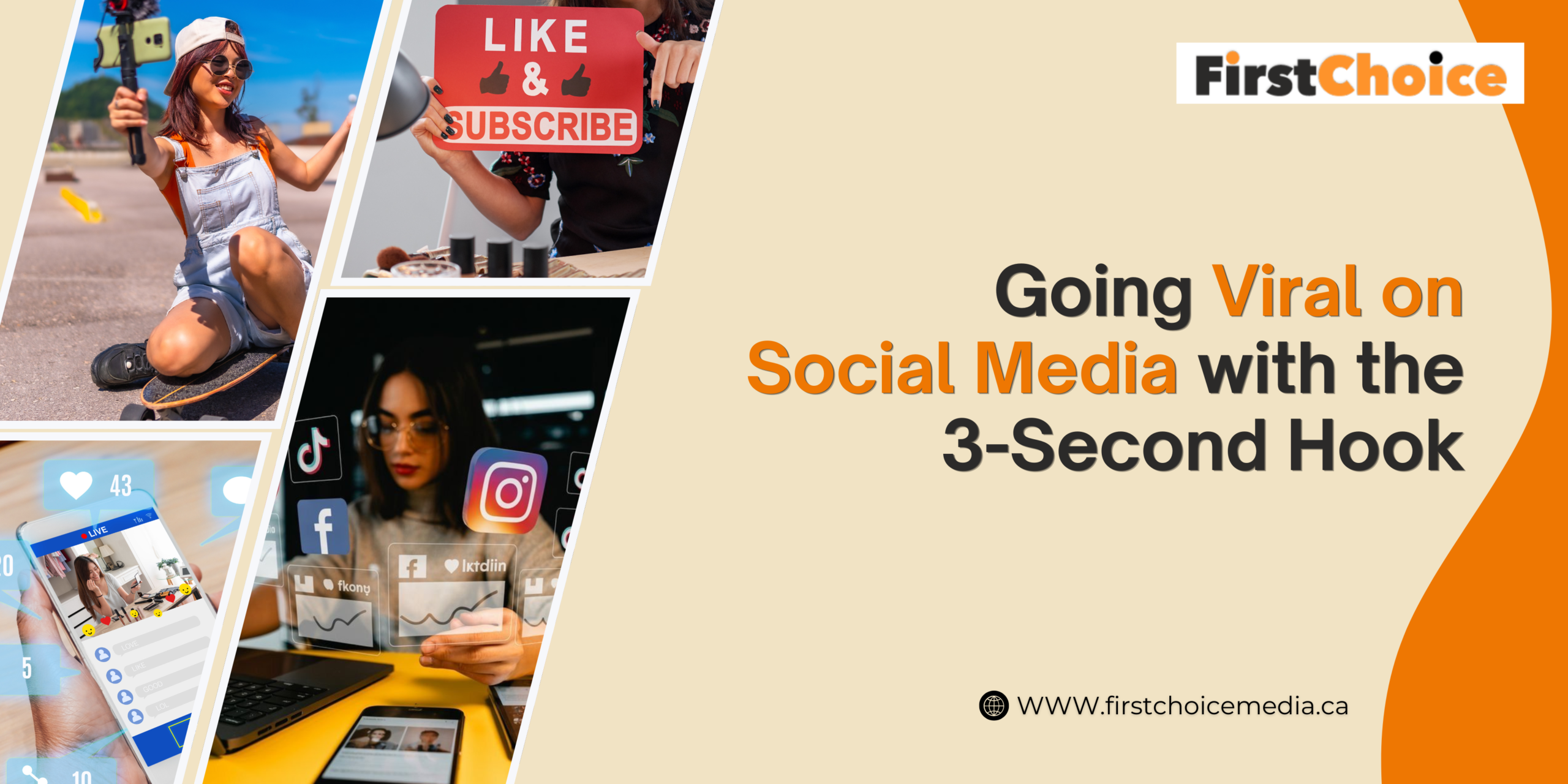
Most posts never get seen. Not because the idea was weak, but because the opening lost the target audience before the good part even started. People do not read online. They scan and scroll. They judge in an instant. The first three seconds of your content decide whether someone stays or leaves. It is the new reality of how user engagement works on social media, and it is something every brand, content creator, and business operating online needs to understand before posting again.
Why the 3-Second Window Is the Only Window That Matters on Social Media
Scrolling habits have changed how content marketing works. Social media algorithms on Instagram, TikTok, Facebook, and YouTube measure how long someone stays on your content in the first few seconds. That watch time tells the platform whether to share your post with more people or hide it.
What does this mean for your digital presence? If your opening does not grab someone right away, the system treats your post as unimportant. It does not matter how good the rest of the video or caption is. The start is the audition, and the audition is already over.
Brands and creators who build strong online visibility understand this. They do not start with introductions. They do not warm up. They drop the viewer straight into something worth watching.
What Actually Stops the Scroll on Social Media: Patterns That Work in 2026
There is a clear pattern behind successful content creation. It does not need a huge budget or professional studio gear. It just requires a good understanding of how people act online.
The Unfinished Idea
Open with something incomplete. “Nobody talks about this part of growing a business” or “The reason your content keeps failing is not what you think” both make people curious. People stay to find the answer. It is simply how the human brain works.
Standing Out Visually in the First Frame
For video, the first second is very important. Movement, surprising images, bold text on screen, or an odd setting all break the normal look of a social media feed. The eye is drawn to things that stand out. Design your thumbnails and opening shots to catch that attention.
Speaking Directly to Your Target Audience
“If you run a local business and you are not doing this, you are losing customers” speaks directly to a specific person. Broad content gets ignored. Specific content gets shared. When someone feels like you are talking about their exact problem, they stop scrolling because the message feels personal.
Social Media Marketing Is Not About Posting More. It Is About Posting Smarter.
Posting a lot without a digital strategy just creates clutter. Brands that build real brand awareness are not the ones posting five times a day. They are the ones who truly know their followers, have a clear plan for hooks, and make content their community actually likes.
A good social media marketing agency studies platform habits, what people want, and how fast trends move before making a single post. The hook is written first. The content follows the hook, not the other way around.
Most brands do the opposite. They make content they are proud of and then hope the platform rewards them. Hope is not a good social media campaign strategy.
The Role of Digital Marketing Companies in Content That Performs
Going viral is not just about being creative. It requires knowing how each platform ranks and shares content, what formats the algorithm likes right now, what posting schedule keeps people watching, and how to turn views into real business results.
Digital marketing companies that focus on social content bring this technical skill along with creative ideas. They test hooks on different groups, track which starts get the most watch time, and make fast improvements based on real data instead of guessing.
For a business without its own marketing team, this lack of knowledge is exactly where growth stops. The content looks fine. It just never reaches anyone.
How Digital Marketing Agencies Build Hook Strategies That Scale
A steady plan for hooks is carefully built, not just made up on the spot. Digital marketing agencies handle this step by step:
- Find the target audience’s problems and goals before writing any text.
- Create 5 to 10 different hooks for each post and test them to see what works best.
- Track the 3-second view rate, average watch time, and how fast a post is shared.
- Improve thumbnails, captions, and opening shots separate from the main video.
- Stop using hooks that fail and keep using the ones that the data shows are working.
This process removes the guessing. Over time, a brand creates a familiar opening style that its fans expect and like. That consistency leads to steady online growth.
One Practical Social Media Framework You Can Apply Today
If you are making content without a clear plan for hooks, start here:
- State the problem first. Do not waste time explaining the background. Open with the conflict or an unexpected truth.
- Make it specific. Change “growing your business” to “getting your first 1,000 customers without paid ads.” Being specific shows why the post matters.
- Save the answer for later. The hook asks a question. The rest of the content gives the answer. Never give the answer in the first three seconds.
- Keep testing. What works for one group rarely works exactly the same for another. Your own data is always better than general advice.
Choosing the Right Social Media Marketing Company to Execute This at Scale
Doing this well requires more than just one smart person. It needs a team effort: a content planner who understands how hooks work, a designer who creates images that make people stop, a writer who keeps things short, and a data expert who reads platform numbers correctly.
When looking for a digital marketing company to handle your social media campaigns, ask about how they test hooks, their goals for watch time, and how they turn views into actual sales. An agency that cannot answer those questions clearly does not have the right setup to grow an audience today.
The 3-second window is not a passing trend. It is simply how human attention works in a crowded social media feed. Master the start, and the algorithm will help you. Ignore it, and getting seen becomes almost impossible, no matter how good your content is.
Ready to make content that earns attention from the very first second?
FirstChoice Media, a reputed social media marketing agency in Vancouver, works with businesses to build social media campaigns based on real platform data, audience habits, and a clear hook plan designed for real online growth. Call us to know how we can move forward with it!
FAQs
Yes, though the setup is different for each platform. On TikTok and Instagram Reels, the first image and first spoken line are the most important. On LinkedIn, it is the first sentence before the “see more” button. On YouTube, the thumbnail and first five seconds are tracked closely. The main rule stays the same: you win or lose attention instantly, and your start has to earn it no matter where the post lives.
Most platforms show a 3-second view rate in their analytics. For video marketing, compare this number to your average watch time. A high 3-second rate along with a good average watch time proves the hook worked and the content was interesting. A high 3-second rate with a fast drop in viewers means the start was good but the rest of the video let them down. You need to track both numbers.
A clickbait hook makes a promise it never keeps. The content does not give what the start suggested. This breaks trust and makes people click away quickly, which social networks punish. A good hook creates a real question and answers it completely in the post. The viewer feels their time was well spent. That happy feeling leads to more shares, saves, and returning fans, which helps boost your digital strategy.
Social media algorithms do not favor an account just because it is big. A new account with a great hook and well-made content can beat a famous brand on any given day. What big brands have is a lot of money and time to test things. Small businesses can compete by being highly specific about their target audience, clearer in their message, and more regular with their posting schedule. Smaller, focused groups share content more often, which usually leads to better organic reach for these creators.